

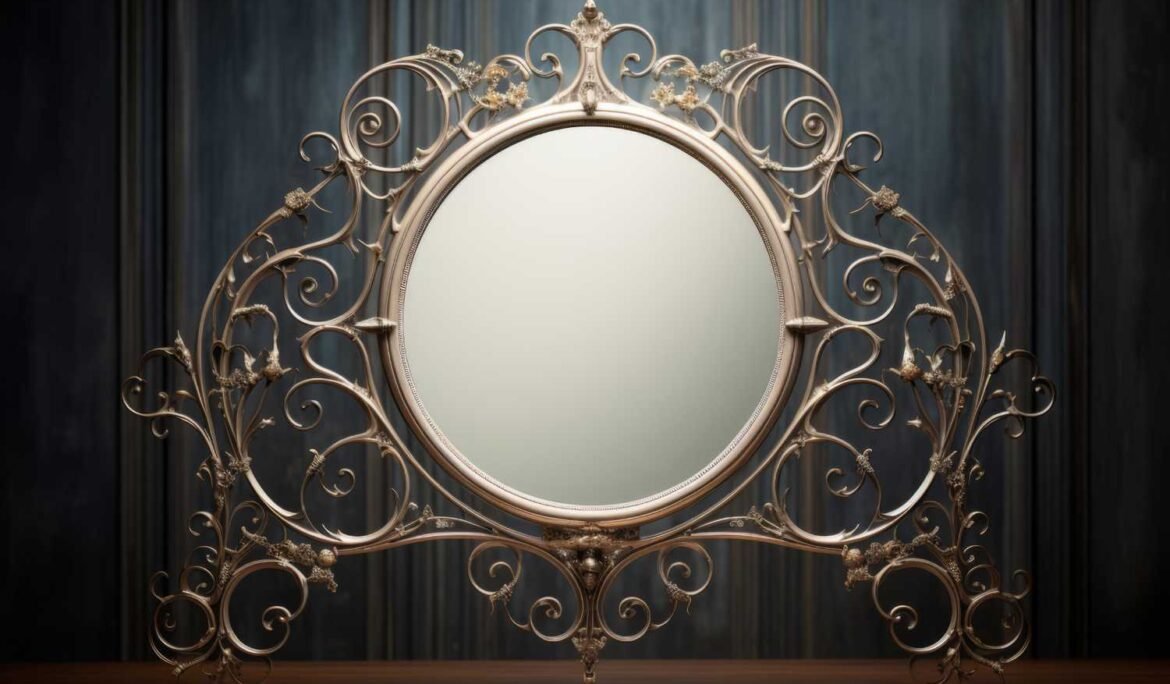
Antique mirror glass has become a preferred choice for designers and architects who want to introduce depth, character and timeless elegance into interior spaces. Whether used in luxury homes, boutique hotels or retail interiors, this decorative material adds visual interest that standard mirrors cannot provide.
However, selecting the right antique mirror glass involves more than choosing a beautiful pattern. Factors such as safety, moisture resistance, installation methods and long term maintenance play a major role in performance and durability, especially in commercial and high traffic environments.
Why Proper Planning Matters Before Using Antique Mirror Glass
Unlike standard mirrors, antique mirrors go through specialized distressing and oxidation processes that affect strength, backing layers and edge stability. Without proper planning, design flaws and installation errors can lead to premature corrosion, cracking or visual defects.
Understanding technical requirements allows designers, contractors and buyers to choose the correct specifications, avoid costly rework and ensure the mirror performs well throughout its service life.
Top 10 Considerations When Using Antique Mirror Glass
1. Selecting the Right Distress Pattern and Finish
Different distressing techniques create unique visual effects, from heavy oxidation to soft speckled textures. Choosing the correct pattern ensures harmony with surrounding finishes and lighting.
For premium designs, explore our antique mirrors collection to find the perfect style for your project. Lighter distress styles work better in small rooms, while bold oxidation suits feature walls and statement furniture using antique mirror panels.
2. Glass Thickness and Structural Stability
Most applications require 4mm to 6mm glass, but larger wall panels and furniture tops may need thicker substrates to prevent flexing and cracking.
For commercial interiors, using properly rated safety mirror glass is critical to meet building regulations and prevent liability risks.
3. Tempering and Safety Backing Protection
Tempered glass increases impact resistance, while safety backing film prevents dangerous shattering in case of breakage.
Areas such as bathrooms, elevators and kitchen backsplashes must always use safety treated decorative mirror glass for compliance and occupant protection.
4. Moisture Exposure and Corrosion Risk
Antique mirrors are more sensitive to humidity because of intentionally aged backing layers. Moisture intrusion can accelerate black edge formation and silver damage.
Proper sealing and moisture resistant adhesives are essential when installing custom cut mirror glass in wet or semi humid environments.
5. Precision Measurement and Fabrication Accuracy
Antique mirror sheets cannot be resized easily after distressing, making accurate site measurement critical.
Allowances for wall movement, expansion gaps and frame tolerances must be included when planning mirror wall installation layouts.
6. Substrate Preparation and Fixing Method
Walls must be smooth, dry and free from contaminants to ensure strong adhesion and long term stability.
Heavy sections may require mechanical supports, while seamless surfaces depend on professional grade adhesives for antique mirror tiles installations.
7. Edge Treatment and Framing Design
Polished edges improve safety and appearance, while beveled edges add decorative detailing to exposed panels.
Framing helps protect edges and allows modular replacement of vintage mirror wall sections in hospitality and retail interiors.
8. Lighting Interaction and Reflection Quality
Antique mirrors scatter light instead of reflecting it sharply, creating softer ambiance and visual depth.
Positioning near warm lighting enhances texture, making feature areas stand out without overpowering the room using antique mirror interior design techniques.
9. Cleaning Methods and Surface Care
Harsh chemicals and abrasive cloths can damage distressed backing layers and edge seals.
Routine maintenance using gentle products helps preserve clarity and extend the lifespan of antique mirror maintenance programs in commercial spaces.
10. Supplier Expertise and Project Lead Time
Hand distressed mirrors require longer production timelines compared to standard mirrors, affecting project scheduling.
Working with reliable mirror suppliers ensures quality consistency, safety certification and installation support.
Where Antique Mirror Glass Is Commonly Used
Antique mirror glass enhances both residential and commercial interiors when applied thoughtfully and technically correctly.
In homes, it is widely used for vanity walls, wardrobes, dining features and bar counters. In commercial settings, it elevates hotel lobbies, restaurants and luxury retail stores using decorative mirrors to create signature environments.
Performance Benefits Beyond Aesthetics
Apart from visual appeal, antique mirrors improve spatial perception by increasing brightness and creating depth illusions in narrow areas.
They also enhance brand identity in hospitality and retail projects where customized surfaces and custom mirror fabrication support distinctive design themes.
AI Overview
Antique mirror glass adds vintage elegance to interiors while enhancing light, depth and visual appeal. This guide covers safety, installation, moisture protection and design tips for lasting performance.
FAQs
How to authenticate an antique mirror?
Check for natural silver oxidation, uneven aging patterns and hand cut glass edges. Authentic antique mirrors usually lack modern uniform coatings and perfect clarity.
What to look for in a vintage mirror?
Look for consistent distress patterns, stable backing and minimal active corrosion. Frame integrity and proper edge sealing also indicate long term usability.
What makes a mirror antique?
A mirror is considered antique when it shows age related silver deterioration and traditional manufacturing traits. Most classifications require at least 100 years of age.
What are the qualities of a good mirror?
A good mirror offers clear reflection, durable backing and proper edge finishing. Safety treatment and moisture resistance further improve performance and lifespan.
Conclusion
Choosing antique mirror glass is not just about aesthetics, it is about selecting the right specifications, ensuring safety compliance, and planning proper installation for long term performance.
When distress patterns, moisture protection, lighting interaction, and fixing methods are carefully considered, antique mirrors can transform ordinary interiors into elegant, high impact spaces that retain their charm for years.
From residential feature walls to commercial hospitality interiors, professional guidance ensures your project meets both design expectations and technical standards. Sky Fancy Glass & Mirrors Trading is a trusted glass solutions provider across the UAE.
Contact our glass experts today to discuss the ideal antique mirror glass solution for your home or commercial project.
Explore More Glass & Mirror Insights
Discover expert guides on mirrors, glass installation, and home décor trends to inspire your next design project.
- Frameless vs Semi-Frameless Glass Pool Fencing Compared: Choosing Between Frameless and Semi-Frameless Glass Fences
- LED Mirrors: Are They Worth It? The Ultimate Guide: Discover if LED mirrors are the perfect blend of style and functionality.
- Frontlit vs Backlit Bathroom Mirrors: Which Is Better?: Clear lighting or ambient glow? Choose the mirror that fits your bathroom needs.
- Choose the Best Makeup Mirror for Your Vanity: Find the ideal mirror that delivers clear lighting and effortless daily grooming.
- AI Interior Design Tools Transform Antique Mirror Choices: See how smart design technology reshapes antique mirror selection and styling.